

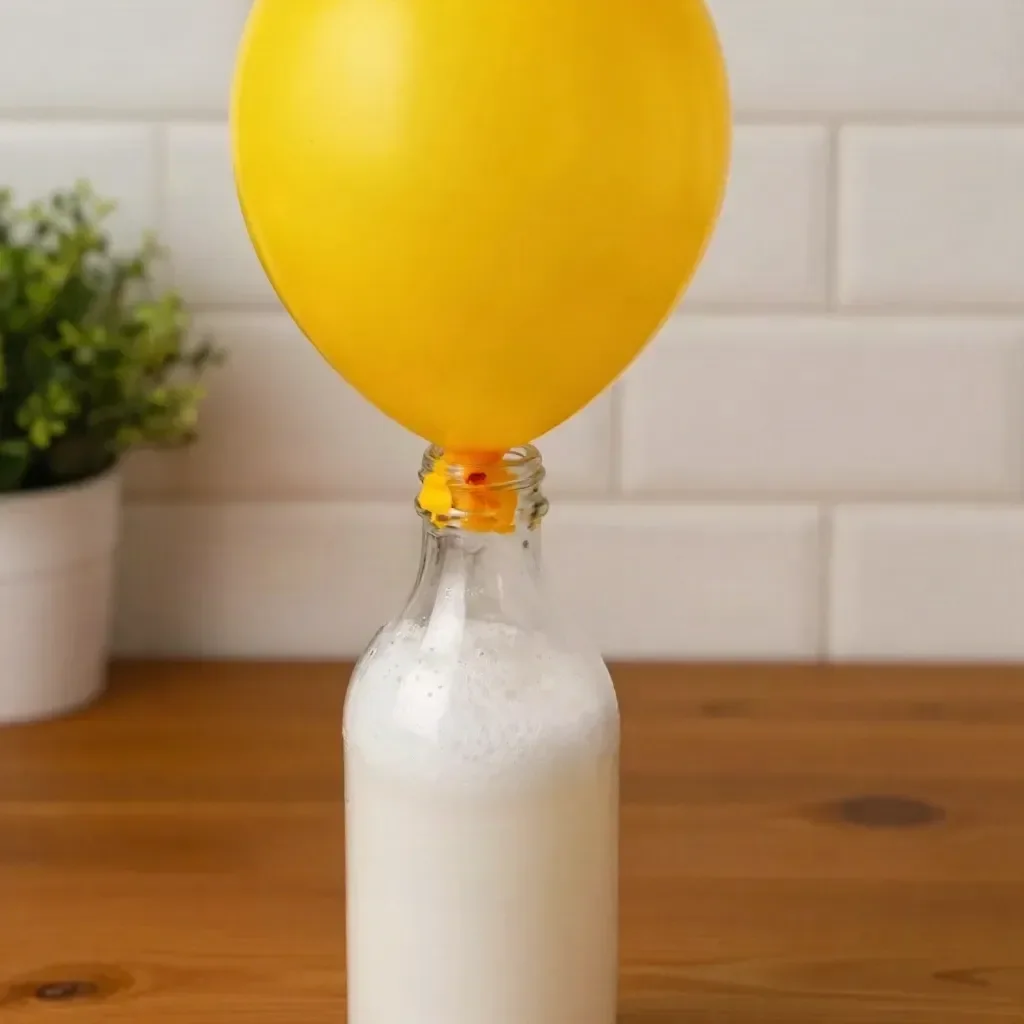
Baking Soda Balloon Experiment
Get ready for a fun and interactive science experiment that’s perfect for kids! The Baking Soda Balloon Experiment combines simple materials a balloon, an empty plastic bottle, baking soda, vinegar, a funnel, and a spoon to create an exciting visual transformation as the balloon inflates right before your eyes. This project not only provides a hands-on experience for children but also offers an educational glimpse into the chemical reaction between baking soda and vinegar, which creates carbon dioxide gas to inflate the balloon. You may also find Rainbow Unicorn Haunted House Decor useful.
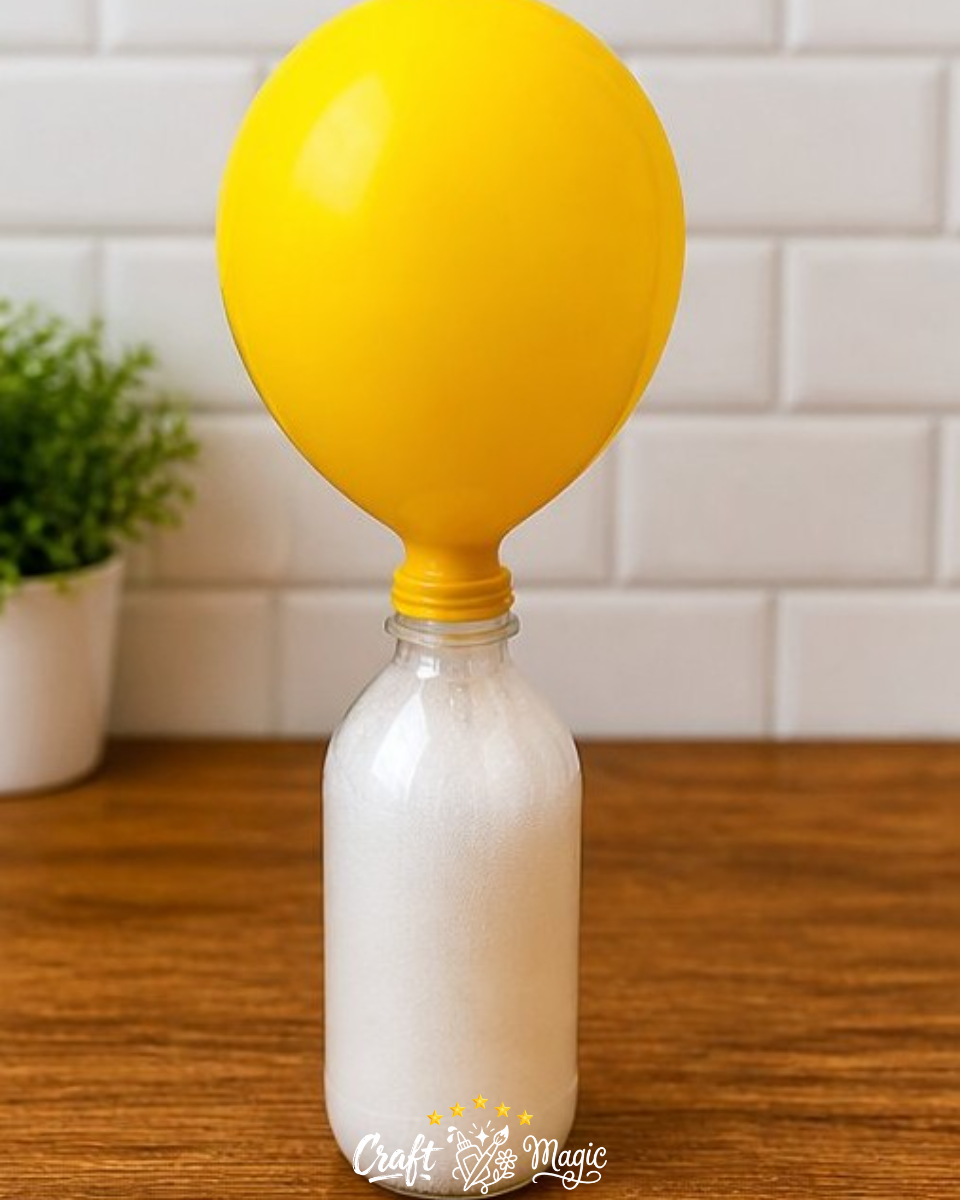
Materials You’ll Need
To successfully complete the Baking Soda Balloon Experiment, gather the following materials:
- Balloon
- Empty plastic bottle
- Baking soda
- Vinegar
- Funnel
- Spoon
Why This Craft Works So Well
The beauty of the Baking Soda Balloon Experiment lies in its simplicity and the instant gratification it provides. As the vinegar and baking soda react, they produce carbon dioxide, which fills the balloon and makes it expand. It’s a great way to demonstrate basic chemical reactions, and it’s also a visually engaging project that keeps children entertained.
Moreover, if you’re looking for other fun DIY projects for kids, you might enjoy making a Rainbow Panda Fall Leaf Friends Craft that adds a creative twist to the beautiful fall season!
How to Make the Baking Soda Balloon Experiment
Now, let’s dive into the step-by-step instructions for this exciting experiment.
Step-by-Step Instructions
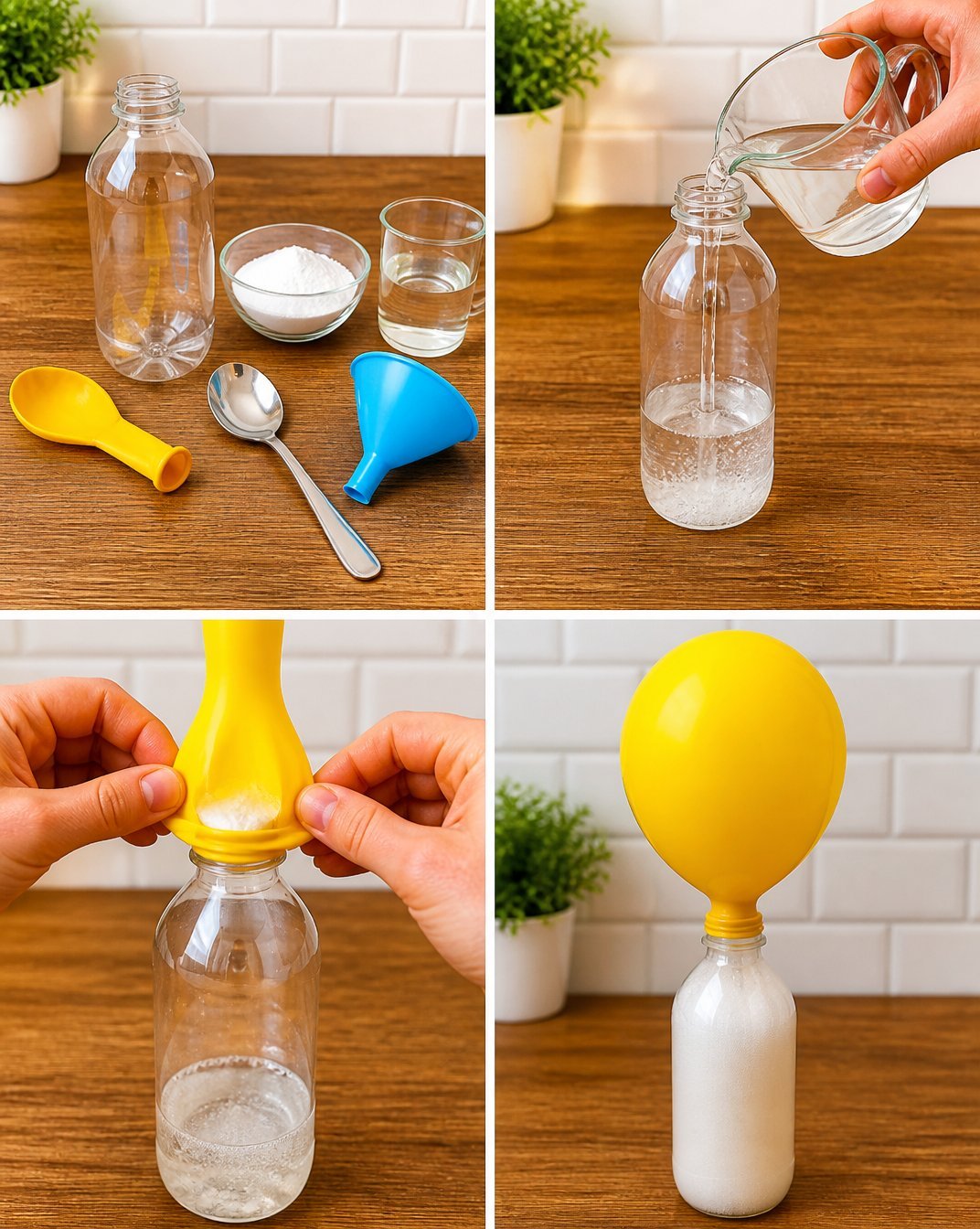
Pour the Vinegar
Begin by carefully pouring vinegar into the empty plastic bottle until it reaches about a quarter full. This will serve as the base for your reaction.Fill the Balloon with Baking Soda
Using the funnel, fill the balloon with roughly 1-2 tablespoons of baking soda. It’s important to get the baking soda into the balloon without spilling it into the bottle just yet.Attach the Balloon to the Bottle
Once the baking soda is in the balloon, carefully stretch the balloon over the opening of the bottle without allowing the baking soda to fall into the vinegar. This step requires some precision!Let the Fun Begin
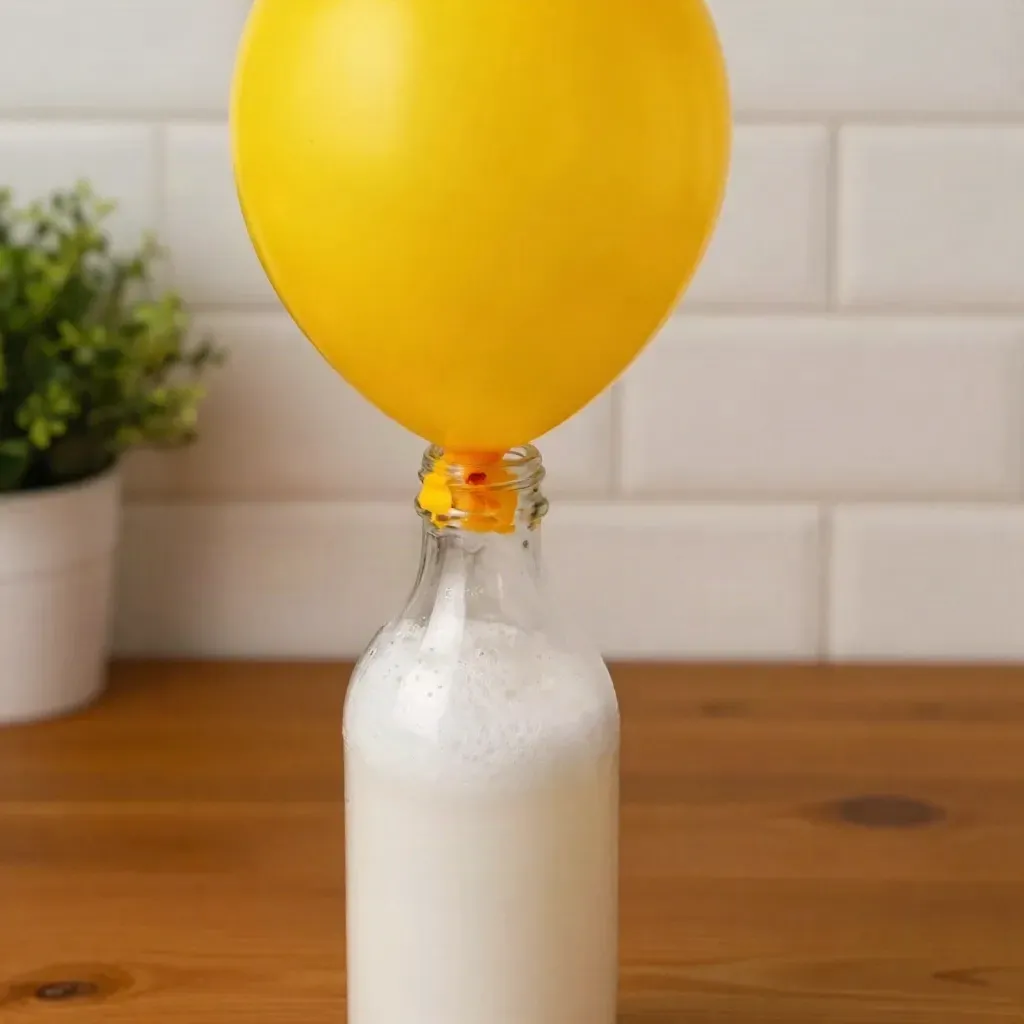
Now that everything is set up, lift the balloon to let the baking soda fall into the vinegar. Watch as the chemical reaction occurs, producing carbon dioxide gas that inflates the balloon. It’s a delightful spectacle!
Helpful Tips
Experiment with Different Vinegar Amounts
You can change the amount of vinegar you use to see how it affects the balloon’s inflation. A larger volume may create even more gas and lead to a more impressive spectacle.Try Different Balloon Sizes
Using different sizes of balloons can also yield interesting results. Larger balloons may allow for more gas and a more dramatic effect.
If you’re on the hunt for colorful, creative crafting ideas that resonate with kids, consider exploring a Clear Pink Unicorn Apple Teacher Suncatcher craft for a different kind of fun that allows for more artistic expression.
Common Mistakes to Avoid
Don’t Overfill the Balloon
Be careful not to put too much baking soda in the balloon, as it may cause it to burst or not allow for the balloon to inflate properly.Use Enough Vinegar
Ensure you’re using enough vinegar in the bottle. If there isn’t enough, the reaction won’t create sufficient gas to inflate the balloon.
FAQ
Can I use other types of vinegar?
Yes, any type of vinegar will work, but white vinegar is the most commonly used for experiments due to its availability and price.
Is it safe for kids?
While this experiment is generally safe, adult supervision is recommended, especially for younger children. Ensure that no one puts the vinegar, baking soda, or any of the experiment’s materials in their mouth.
How should I store the materials?
It’s best to store unused baking soda and vinegar in their original containers. Keep them in a cool, dry place to maintain their effectiveness for future experiments.
Conclusion
This Baking Soda Balloon Experiment is a fantastic way to introduce children to the concepts of chemistry in a fun and engaging way. For more exciting science projects involving reactions, check out the Baking Soda and Vinegar Balloon Experiment for Kids. It’s a great addition to your crafting repertoire! By experimenting with variations in materials and observing the outcomes, children can learn through active participation while enjoying the wonders of science.
Print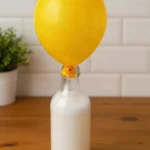
Baking Soda Balloon Experiment
- Total Time: 10 minutes
- Makes: 1 experiment
Description
A fun and interactive science experiment where kids learn about chemical reactions by inflating a balloon with the reaction of baking soda and vinegar.
Materials
- 1 Balloon
- 1 Empty plastic bottle
- 1–2 tablespoons of Baking soda
- 1/4 bottle of Vinegar
- 1 Funnel
- 1 Spoon
Instructions
- Pour the vinegar into the empty plastic bottle until it’s about a quarter full.
- Fill the balloon with 1-2 tablespoons of baking soda using the funnel.
- Attach the balloon to the bottle without allowing the baking soda to fall into the vinegar.
- Let the baking soda fall into the vinegar and watch the balloon inflate.
Notes
Experiment with different amounts of vinegar and balloon sizes for varying results. Supervise children during the experiment for safety.