
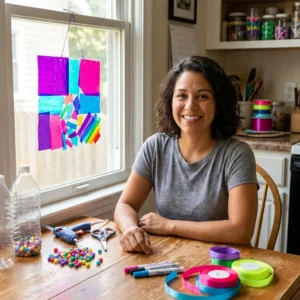

Montessori DIY Activities to Improve Fine Motor Skills
Creating engaging and fun activities that enhance fine motor skills is essential for young children. Montessori methods focus on hands-on learning, making these activities not only educational but also enjoyable. In this project, you’ll learn how to create colorful and creative crafts that inspire little hands to develop their dexterity and coordination. These projects incorporate everyday materials, reinforcing the Montessori philosophy of accessible and practical tools for learning. By crafting projects such as the Bunny Flower Pot Covers, you can create beautiful decorations while your child practices essential skills.
Why This Craft Works So Well
Fine motor skills are crucial for children’s development, impacting their ability to write, use utensils, and perform various daily tasks. Engaging in hands-on crafts allows children to practice these skills while expressing their creativity. The satisfaction of creating something tangible keeps them motivated and excited to learn. You may also find Diy Crystal Flower Roses Step By Step Tutorial useful.
What Makes This Project Fun
The delightful aspect of crafting DIY projects is the transformation from simple materials to stunning outcomes. Whether it’s the vibrant colors of the Coffee Filter Rainbow Roses or the intricate details in DIY crystal flower roses, every step is an opportunity for discovery. Each project can be adapted and customized, keeping children and parents engaged together.
Materials You’ll Need
To execute Montessori DIY activities that foster fine motor skills, gather the following materials: You may also find Diy Glowing Ocean Jar Tutorial Home Decor useful.
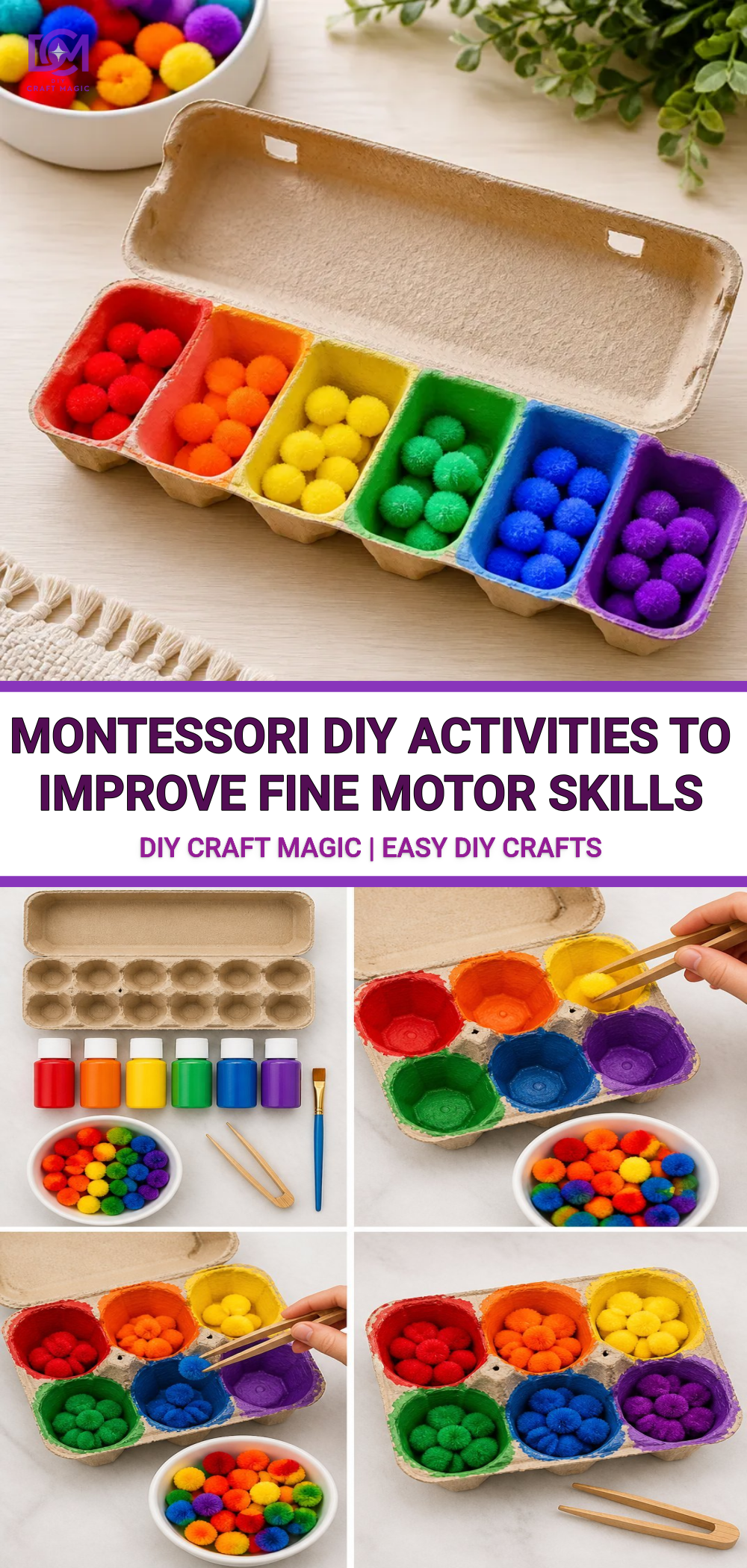
- Various colored craft papers
- Scissors
- Glue or glue sticks
- Beads or small buttons
- String or yarn
- A variety of natural materials (like leaves or twigs)
These materials are readily available and can be incorporated into different crafting projects, allowing for endless creativity.
Choosing Your Materials
Opt for high-quality materials that are safe for children. Natural items, in particular, offer sensory experiences that plastic or synthetic materials cannot replicate. Work with your child to decide which items they find most appealing, which can encourage them to take ownership of the crafting process.
How to Make Montessori DIY Activities to Improve Fine Motor Skills
Step-by-Step Instructions
Begin with Simple Cuts: Encourage your child to practice cutting shapes from the colored craft paper. Provide them with templates of shapes if necessary, or let them create their own.
Create a Collage: Next, have your child arrange the cut-out shapes to form a collage. This exercise not only hones their cutting skills but also allows them to think artistically.
Construct 3D Models: Challenge them to fold and glue shapes together to make 3D models. For instance, combining different colors can create vivid flower shapes.
Incorporate Textures: Add beads or buttons to their creations for added texture. Encouraging them to thread beads onto string or yarn is an excellent way to improve their hand-eye coordination.
Display Their Work: Find a way to display their finished craft; whether it’s hanging them or placing them on a shelf, it allows children to showcase their hard work.
Helpful Tips
- Be Patient: Each child’s motor skills develop at their own pace. Encourage them to try different activities without pushing for perfection.
- Make it a Game: Turn tasks like threading beads into a fun challenge, perhaps counting how many they can string on in one minute.
If your child enjoys activities involving color, consider making Coffee Filter Tie Dye Flowers. This project offers a colorful and tactile experience that improves their motor skills while achieving a lovely result.
Common Mistakes to Avoid
Be sure to supervise when using scissors or small items like beads if your child is young. Highlighting safety, especially with sharp tools, is essential to ensure a secure crafting environment.
FAQ
Why are fine motor skills important for children?
Fine motor skills are critical as they lay the foundation for tasks such as writing, buttoning clothes, and eating with utensils, all necessary for personal independence.
How can we practice fine motor skills at home?
Practicing tasks like cutting, folding, or threading offers ample opportunity, especially through crafts. Simple activities can significantly contribute to their skills.
Can children help in all stages of the crafts?
Yes! Let kids be involved in planning, gathering materials, and creating. Their sense of accomplishment will boost their confidence and interest in future projects.Let your children experiment with different techniques, colors, and materials while they improve their fine motor skills through crafting.
Conclusion
By engaging in hands-on projects, children can enhance their fine motor skills in a fun and creative way. Activities like these provide not only educational benefits but also quality time spent together. Explore additional resources about Montessori principles, such as 50 Montessori Fine Motor Activities for Little Hands and Montessori Fine Motor Activities and Free Printables, to further enrich your family’s learning experience.
Print
Montessori DIY Activities to Improve Fine Motor Skills
- Total Time: 10 minutes
- Makes: Multiple crafts
Description
Engaging Montessori-style crafts to develop fine motor skills in young children through hands-on learning and creativity.
Materials
- Various colored craft papers
- Scissors
- Glue or glue sticks
- Beads or small buttons
- String or yarn
- A variety of natural materials (like leaves or twigs)
Instructions
- Begin with simple cuts: Encourage your child to practice cutting shapes from the colored craft paper.
- Create a collage: Have your child arrange the cut-out shapes to form a collage.
- Construct 3D models: Challenge them to fold and glue shapes together to make 3D models.
- Incorporate textures: Add beads or buttons to their creations for added texture.
- Display their work: Find a way to display their finished craft.
Notes
Be patient and make it a game to enhance engagement. Supervise when using scissors or small items for safety.