
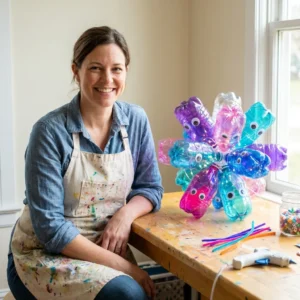

Montessori DIY Activities to Improve Fine Motor Skills
Creating Montessori DIY activities is a fun and engaging way to help children develop their fine motor skills. These crafts not only encourage children to explore their creativity but also improve hand-eye coordination, dexterity, and control. By utilizing simple, everyday materials, you can create engaging projects that are both educational and enjoyable. For example, making colorful coffee filter rainbow roses can capture your child’s attention while they practice their skills.
Why This Craft Works So Well
Montessori teaching emphasizes hands-on learning, and crafting is a perfect way to implement this philosophy. Through crafting activities, children actively engage their senses and explore their creativity. As they manipulate materials, they not only strengthen their fingers but also enhance their problem-solving skills. These DIY activities are accessible and can be adapted to various age levels, making them perfect for family fun or classroom projects. You may also find Coffee Filter Tie Dye Flowers Diy Tutorial useful.
Materials You’ll Need
Here’s a simple list of materials you can gather for these activities: You may also find Diy Crystal Flower Roses Step By Step Tutorial useful.
- Colorful paper or cardstock
- Scissors (child-safe if necessary)
- Non-toxic glue
- Markers or crayons
- Beads or buttons
- String or yarn
- Any other embellishments you may want to include

How to Make Montessori DIY Activities to Improve Fine Motor Skills
When it comes to creating your DIY projects, the process can be as exciting as the end result. Follow these steps to create engaging crafts that encourage fine motor skill development.
Step-by-Step Instructions
Choose Your Project: Depending on your child’s age and interests, select a project that engages them. A great starting point could be the DIY glowing ocean jar.
Prepare Your Workspace: Clear a flat area where your child can work comfortably. Ensure all materials are within easy reach.
Cut and Shape: Provide guidance as your child cuts different shapes from the paper. This will help improve their scissor skills. Use the opportunity to discuss shapes and colors.
Glue and Assemble: Show your child how to apply glue properly. Let them assemble their crafted pieces, which encourages spatial awareness and creativity.
Decorate and Personalize: Encourage your child to decorate their project with markers, beads, or other embellishments. This stage allows for creativity and makes the project feel unique.
Helpful Tips
Start Simple: If your child is new to crafting, begin with simple projects that don’t require complex techniques. As their confidence builds, you can introduce more challenges.
Celebrate Effort: Regardless of the final outcome, praise your child’s effort and creativity. This positive reinforcement will encourage them to continue exploring.
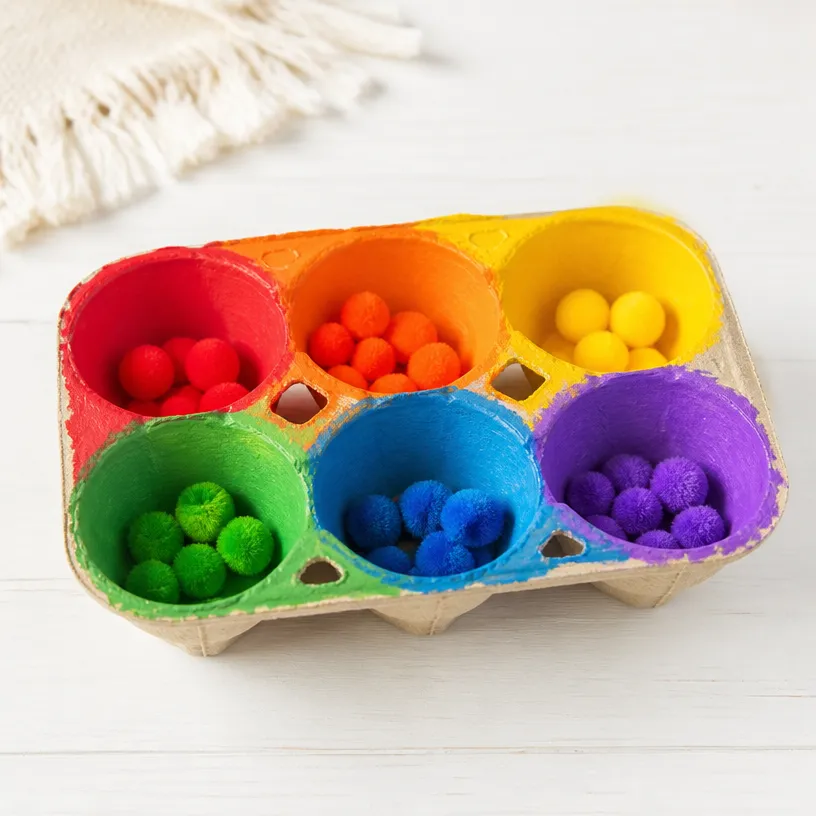
Incorporate Movement: Incorporate activities that involve different movements, such as threading beads onto string, which can significantly enhance hand coordination.
Common Mistakes to Avoid
Overcomplicating Projects: Ensure that your chosen craft is appropriate for your child’s skill level. Complex tasks can lead to frustration.
Not Allowing for Mess: Crafting can be messy, and that’s completely okay! Preparing for a bit of chaos can make the experience more enjoyable and less stressful.
Ways to Customize It
Tailoring your DIY project can make it more engaging:
Thematic Crafts: Create themed crafts based on holidays or seasons. For instance, making spring flower pot covers can be an exciting way to celebrate spring.
Incorporate Nature: Use natural materials like leaves or flowers to enhance sensory experience while emphasizing the connection between crafting and nature.
Crafting With Kids
When crafting with kids, it’s vital to foster an environment where they feel safe to express themselves. Allow them to make mistakes and learn from them. Collaboration can also boost social skills and further develop fine motor abilities as they share tools and craft ideas.

Frequently Asked Questions
How do I store completed projects?
Keep finished crafts in a safe, dry place. You can use a display shelf to showcase their work.
Can these crafts be educational?
Absolutely! Incorporate educational aspects such as counting or color recognition during the crafting process.
What materials are best for younger children?
For toddlers, use larger, easy-to-handle materials like thick paper, foam shapes, and larger beads to ensure safety and ease of handling.
Conclusion
Engaging in Montessori DIY activities can significantly enhance children’s fine motor skills while providing a fun and creative outlet. For more ideas, check out this resource for 50 Montessori Fine Motor Activities for Little Hands or explore free printables available at Montessori Fine Motor Activities and Free Printables. Happy crafting!